-
動態



作者:Prof. Mayer
Abstract
摘 要
“The past is the mother of the future”
Henri Cartier Bresson, French Photographer,1908-2004
"過去是未來之母"
亨利·卡蒂爾-布雷松,法國攝影家,1908-2004
Introduction
簡 介
Development and progress in spinal surgery have always been characterized by “back-and-forth movements” in clinical applications of technical innovations. Most evolutionary technical improvements which seemed to have a logical indication spectrum, with adequate feasibility and a perspective to improve early or late outcomes, have sooner or later become “standard” with a worldwide market penetration. A good example of such a development is anterior cervical discectomy and fusion (ACDF). It all started with the Cloward and Smith-Robinson technique , which was improved with the development of plates to support and fix the bone grafts. The bone grafts were replaced by cages made from different materials, and further technical improvement has led to the use of cages as stand-alone devices recently. This is a typical simple example of a continuous evolution of a surgical technique.
The lesson we can learn from this is that if a technical improvement follows the needs of the surgeon and if it improves or standardizes a surgical technique and its outcomes, the acceptance among the surgical community will be logical and high.
脊柱外科的發展和進步總是以技術創新在臨床應用中的“來回運動”為特征的。大多數有變革性的手術技術發展中似乎都有一個合理的指征范圍,具有可行性高且可改善早期和晚期效果的前景,遲早它們會成為滲透全球市場的“標準”。前路頸椎間盤切除融合術(ACDF)是詮釋這種發展歷程的一個好例子。這一切都始于Cloward和Smith-Robinson技術,隨著支持和固定移植骨鋼板的發展,該技術得到了改進。骨移植被不同材料制成的cage取代,技術的進一步改進可實現cage作為獨立的設備使用。這是一個典型且簡單例子闡釋了外科技術將不斷發展的特性。
我們從中可以學到的是,如果一項技術的發展是緊隨外科醫生的需求,且這發展改進或標準化一項技術及其結果,那么外科界的接受度將會很高。
History of Lumbar Disc Surgery
腰椎間盤手術的歷史
Part 1: From Complete Laminectomy to Microsurgical/Microendoscopic Techniques
第一部分:從全椎板切除術到顯微外科/顯微內窺鏡技術
The history of lumbar discectomy and lumbar decompression is one of the most fascinating chapters of spine surgery which has taught us a number of important lessons.
It was in 1909 when Krause and Oppenheim described the first lumbar discectomy (Figure 1). Erroneously they described the herniated disc as a chondroma of the lumbar spinal canal. Only 2 years later Goldthwaite and Middleton were the first to describe a herniated nucleus pulposus as a reason of low back pain and sciatica (Figure 2)
腰椎間盤切除術和腰椎減壓術的歷史是脊柱外科發展中最精彩的篇章之一,它給我們帶來許多重要的啟示。
1909年,Krause和Oppenheim首次報道了腰椎間盤切除術(圖1)。他們錯誤地將椎間盤突出描述為腰椎管內的軟骨瘤。僅僅2年后,Goldthwaite和Middleton首次將髓核突出描述為腰痛和坐骨神經痛的原因(圖2)。
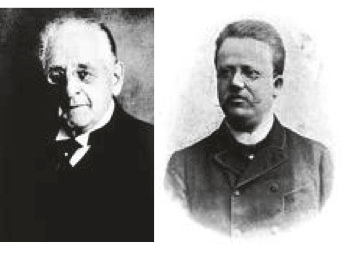
Figure 1: F Krause and H Oppenheim: first surgical removal of a “chondroma” of the spinal canal 1909.
圖1:F Krause和H Oppenheim:1909年首次手術切除椎管內的“軟骨瘤”。
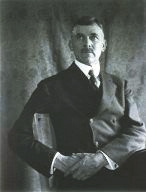
Figure 2: JE Goldthwaite: first description of herniated nucleus pulposus as reason for sciatica, 1911.
圖2 :JE Goldthwaite:1911年首次描述髓核突出是坐骨神經痛的原因。
And it took another 11 years until Adson came up with the first report about surgical removal of herniated nucleus pulposus (Figure 3).
又過了11年,Adson提出了第一篇關于手術切除突出髓核的報告(圖3)。
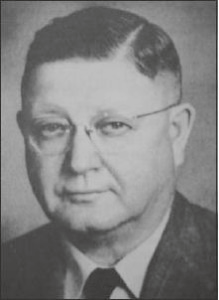
Figure 3: AW Adson: first description of surgical removal of herniated nucleus pulposus, 1922.
圖3 AW Adson:1922年首次報道手術切除突出髓核。
However, like very often in medical history the merits for the first disc surgeries went to two other colleagues, namely, Mixter and Barr, who still are considered as having been the “first disc surgeons” in 1934 (Figure 4). They actually published the first series of successful disc operations in 1934. Their technique however was a complete laminectomy and some of the disc herniations were removed through a transdural approach.
當然,就像醫學史上經常發生那樣,第一例椎間盤手術的功勞歸于另外兩位醫生,即Mixter和Barr,他們仍被認為是1934年進行“第一例椎間盤手術的外科醫生”(圖4)。實際上,他們在1934年報道了第一批成功的椎間盤手術系列,但他們是進行全椎板切除術,并且部分椎間盤突出是經硬膜入路切除的。
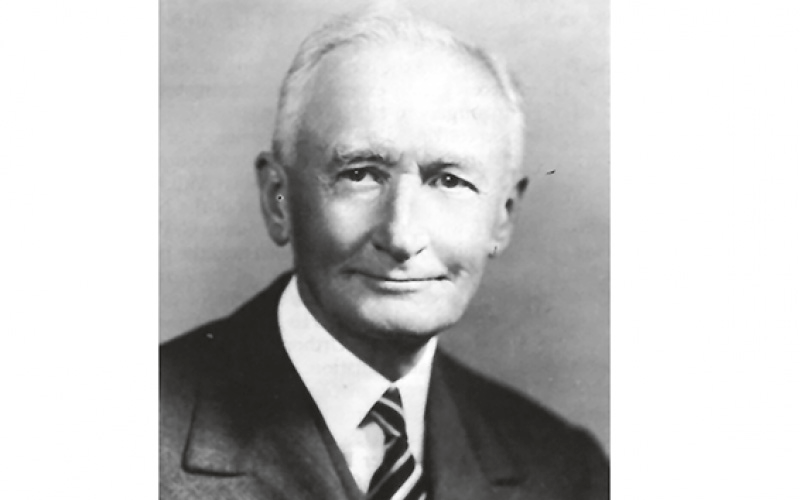
Figure 4: WJ Mixter: first case series of surgical removal of herniated discs 1934.
圖4:WJ Mixter:1934年第一批椎間盤切除手術系列
It was obvious from the beginning that this was a very traumatic approach with the potential of a variety of complications including dural leaks and segmental instability as well as disabling back pain.
The search for less damaging approaches had started. Only 5 years later, Love described the first interlaminar approach which became the standard procedure for many years (Figure 5). But even though the rate of major surgical complications dropped over time, the problem of postoperative back pain and rapid progression of disc degeneration due to aggressive disc removal affected the clinical outcomes.
從一開始就很明顯,這是一種非常具有創傷性的手術入路,有可能出現各種并發癥,如硬腦膜滲漏、節段性不穩以及傷殘性背痛。
人們開始尋找侵入性較小的手術入路。僅僅5年后,Love報道了首次經椎板間入路,這成為多年來的標準術式(圖5)。但是,盡管主要手術并發癥的發生率隨著時間的推移而下降,但術后背痛和因激進的椎間盤切除而導致椎間盤退變迅速的問題影響了臨床結果。
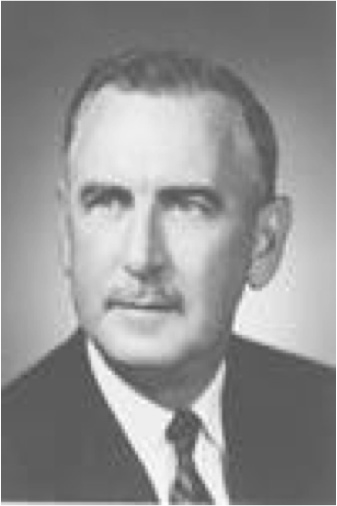
Figure 5: JG Love: first description of interlaminar approach, 1939.
圖5:JG Love:1939年首次報道了經椎板間入路
While surgery led to a significant improvement of nerve root compression signs, patient satisfaction was impaired by symptoms which were due to the collateral damage the surgeon had produced. Interestingly this fear is still immanent in today's public opinion about disc surgery.
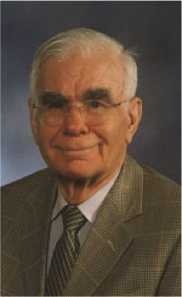
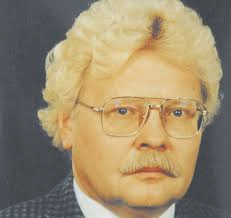
The reduction of collateral damage was the driving force for the two pioneers of lumbar microsurgery. In the same year 1977 Yasargil and Caspar described independently a microsurgical interlaminar approach , Figures 6(a) and 6(b). One year later, it was “Tex” Williams who was the first surgeon to perform this approach in the US. The pioneering work of JA McCulloch made this approach popular in the 90s of the last century and it has become a “gold standard” at least in the neurosurgical community worldwide. Other approaches such as the lateral extraforaminal access have been described in this book as well.
雖然手術明顯的改善了神經根受壓癥狀,但由于外科醫生造成的附帶損傷,病人的滿意度受到了影響。有趣的是,這種恐懼在今天關于椎間盤手術的公眾輿論中仍然存在。
減少附帶損傷是兩位腰椎顯微外科先驅者的動力。同年1977年Yasargil和Caspar獨立地描述了顯微外科椎間板入路,圖6(a)和6(b)。一年后,"Tex " Williams成為美國首次采用上述入路的外科醫生。JA McCulloch的開創性工作使這種入路在上世紀90年代流行起來,至少在全球神經外科界,它已成為 "黃金標準"。他寫的這本書還介紹了其他入路,如外側椎間孔外入路。
(a)
(b)
Figure 6 : (a) G Yasargil, (b) W Caspar: first description of microsurgical interlaminar approach.
圖6 (a) G Yasargil, (b) W Caspar: 首次描述顯微外科椎板間入路。
“Microendoscopic discectomy” was described in the beginning of this century as a modification of the microsurgical technique where the surgical microscope is replaced by “open” endoscopy. This technique however did not add any further technical or clinical advantages. However both minimally invasive techniques are practiced with good and reproducible clinical outcomes.
本世紀初,“顯微內窺鏡椎間盤切除術”被描述為顯微外科技術的改進,手術顯微鏡被“開放式”內窺鏡取代。然而,這種技術并沒有增加任何進一步的技術或臨床優勢。但是,這兩種微創技術在實踐中獲得良好且可重復性的臨床效果。
Lessons Learnt from Microsurgical Techniques
從顯微外科技術中學到的經驗教訓
In summary lumbar microsurgery has significantly improved clinical short-term outcomes of lumbar discectomy mainly by reducing iatrogenic collateral damage. Thus, hospitalization times have become shorter, postop pain levels are lower, and intraoperative blood loss as well as the risk of infection is less.
Even though the advantages are obvious, several lessons had to be learnt by the protagonists of such techniques.
Since there is obviously no effect on the long-term outcome of lumbar discectomy, the acceptance especially by the older generation of spine surgeons has been low despite the obvious advantages.
It has been known for many years that long-term outcome of lumbar discectomy has different predictors than the short-term outcome. This is due to the fact that there is a progressive degeneration of the spine which can cause clinical symptoms at other levels which are not related to a previous disc surgery.
However we have learnt that one of the strongest predictors of a good long-term outcome is a good short-term outcome. And we have also learnt that a good short-term outcome is predicted by 2 factors: (1) the efficacy of nerve root compression and (2) the extent of iatrogenic collateral damage to muscles, ligaments, facet joints, nerve, and epidural space.
綜上所述,腰椎顯微手術主要通過減少醫源性附帶損傷而顯著改善了腰椎間盤切除術的臨床短期療效。術后住院時間縮短,術后疼痛程度降低,術中出血量以及感染的風險也降低。
盡管這種技術的優勢是顯而易見的,但操作這些技術的主角們必須從中吸取一些經驗教訓。
由于腰椎間盤切除術的長期療效沒有明顯改進,盡管有明顯的優勢,但脊柱外科醫生,特別是老一代的,對此技術的接受程度很低。
眾所周知,腰椎間盤切除術的長期療效與短期療效的預測因素不同。這是由于脊柱的進行性退變會導致其他水平的臨床癥狀出現,而這些癥狀與之前的椎間盤切除手術無關。
但是,我們了解到,良好的短期療效是預測長期療效的最有力因素之一。我們還了解到,良好的短期療效是取決于兩個因素:(1)神經根壓迫的效果;(2)醫源性側支對肌肉、韌帶、關節突、神經和硬膜外間隙的損傷程度。
Part 2: The “Parallel World” of “Percutaneous” and Endoscopic Techniques
第二部分:“經皮”與內窺鏡技術的“平行世界”
It was in 1964 when Lyman Smith published a paper about enzymatic dissolution of the nucleus pulposus, a procedure which he called chemonucleolysis. It was known at that time that an enzyme called Chymopapain, which was derived from the papaya plant, was able to hydrolyze proteoglycans. During experimental work in the 50s of the last century about the effects of papain, there was an interesting incidental finding. Intravenous injection of papain in rabbits resulted in a reversible collapse of rabbit ears, a finding which suggested an effect of this enzyme on cartilage. Similar effects were then reported on cartilage of joints, trachea, larynx, and bronchi. Since further studies on rabbits had shown that this enzyme dissolves the nucleus pulposus, it was Lyman Smith’s idea that an application in contained disc herniations could lead to an “intradiscal decompression”, thus relieving the symptoms from nerve compression due to a bulging lumbar disc.
In the 1980s this procedure became popular as the least invasive technique to treat herniated lumbar discs.
Mid- to long-term outcomes were good, complications were rare, and chemonucleolysis seemed to become a viable alternative to surgical discectomy.
Then something happened which was more a psychological phenomenon than rational based medical evolution. In the 70s, Hijikata, a Japanese surgeon, was fascinated by the posterolateral access to the disc space which was, at that time, in the pre-CT and pre-MRI era, very popular to perform diagnostic discographies (Figure 7). He developed tubes through which he could introduce this approach down to the posterolateral annulus under fluoroscopic control. With special trephines he could perforate the annulus and, using pituitary rongeurs, he could perform what he called “percutaneous nucleotomy”. He published this procedure in a regional scientific journal in Japanese language. This was one of the reasons why this procedure did not gain widespread attention among the surgical community but it was the birth of “percutaneous” and, later, endoscopic discectomy.
1964年,Lyman Smith發表了一篇關于酶溶解髓核的論文,他把這個過程稱為化學核溶解。當時人們知道一種名為木瓜凝乳蛋白酶的酶(Chymopapain),這種酶是從木瓜植物中提取的,能夠水解蛋白聚糖。在上世紀50年代關于木瓜蛋白酶作用的實驗中,有一個有趣的意外發現。在兔子身上靜脈注射木瓜蛋白酶會引起兔子耳朵的可逆性塌陷,這一發現表明這種酶對軟骨是有影響。對關節、氣管、喉和支氣管的軟骨也有類似的影響。由于對兔子的進一步研究表明這種酶可以溶解髓核,Lyman Smith的想法是,在椎間盤突出的地方應用這種酶可實現“椎間盤內減壓”,從而緩解由于腰椎間盤突出引起的神經壓迫癥狀。
在20世紀80年代,這種方法作為治療腰椎間盤突出癥中損傷最小的技術而流行起來。
中期、長期療效良好且并發癥少,化學髓核溶解術似乎成為一個可替代椎間盤切除術的選擇。
隨后發生的事情,更多的是一種外科醫師對手術技能的執著,而不是基于理性的醫學演變。在70年代,日本外科醫生Hijikata對通過后外側入路進入椎間盤間隙非常著迷,當時,在CT 和MRI之前的年代,這是非常流行的診斷椎間盤造影(圖7)。他研發了一些管子,在透視下,他可以通過這種入路進入后外側環。使用特殊的環鉆在椎環上打孔,并用垂體咬骨鉗,他可進行他所謂的“經皮髓核切除術”。他在一家地區性科學雜志上用日語發表了這一手術過程。這也是這種手術沒有在外科界獲得廣泛關注的原因之一,但它是“經皮”以及后來的內窺鏡椎間盤切除術誕生的開始。
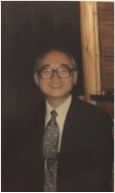
Figure 7: Hijikata: first percutaneous nucleotomy, 1975.
圖7 Hijikata:1975年第一次進行經皮髓核切除術。
It was the great merit of Parviz Kambin a Philadelphian spine surgeon to further develop this procedure in the 1980s (Figure 8).
Parviz Kambin是費城的一位脊柱外科醫生,他在20世紀80年代進一步發展了這一手術操作,這是他的一大功績(圖8)。
Figure 8: P Kambin: percutaneous discectomy, 1986.
圖8 P Kambin:1986年進行經皮椎間盤切除術。
It is the “Kambin triangle” (the safe corridor to the lumbar disc between the exiting nerve root and the superior facet) which reminds us of his pioneering work (Figure 9).
這是“Kambin三角”(出口神經根和上小關節之間可直入腰椎間盤的安全走廊),這讓我們想起他所做過的開創性工作(圖9)。
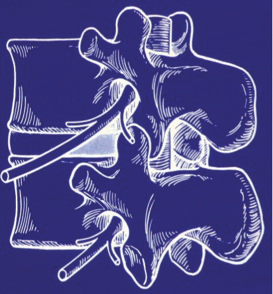
Figure 9: Kambin’s triangle for a safe posterolateral approach.
圖9:安全后外側入路的Kambin三角。
Schreiber, Suezawa, and Leu were the first to have the idea to perform this percutaneous nucleotomy under visual control using and endoscope (discoscopy) .
The author of this review adopted this technique, refined the instrument set (Figure 10), and published the results of a randomized controlled trial comparing microdiscectomy with endoscopic posterolateral discectomy.
Schreiber、Suezawa和Leu是最先有這個想法的人,他們提出在可視控制和內窺鏡(椎間盤鏡)下進行經皮髓核切除術。
這篇綜述的作者采用了這一技術,改進了器械組(圖10),并發表了一項比較顯微椎間盤切除術與內窺鏡后外側入路椎間盤切除術的隨機對照試驗結果。
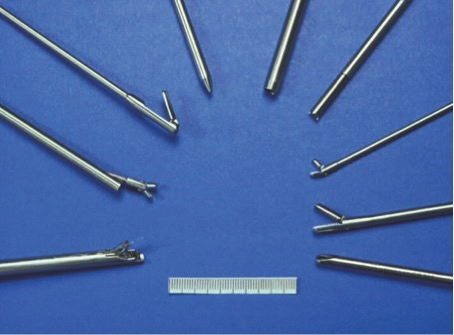
Figure 10: Early Instrument set for percutaneous endoscopic discectomy.
圖10:經皮內窺鏡椎間盤切除術的早期器械組。
A more lateral access route was described by Hal Mathews and Tony Yeung in the second half of the 1990s.
This lateral extraforaminal approach enabled the removal of far lateral disc herniations as well as more medially located pathologies because the approach corridor was more parallel to the posterior rim of the annulus (Figure 11).
20世紀90年代后半期,Hal Mathews和Tony Yeung描述了一種更橫向的通道。
外側椎間孔外入路可以切除遠外側的椎間盤突出以及更內側的病變,因為此入路通道更平行于椎間盤環的后緣(圖11)。
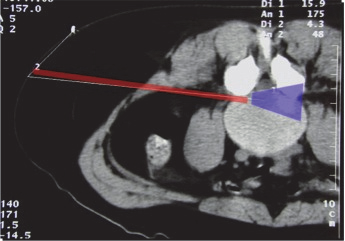
Figure11: Approach corridor and visual field for transforaminal approach.
圖11:經椎間孔入路的通道和可視范圍。
Lessons Learnt
經驗學習
The indication spectrum for posterolateral and transforaminal endoscopic techniques was limited, which was one of the reasons why endoscopic discectomy remained at a low level of acceptance among spine surgeons in the 1980s and 1990s.
There were other reasons: the variety of instruments was limited, the optical systems were not as good as nowadays, and the technical advantages as compared to microsurgery were small.
后外側和經椎間孔內窺鏡技術的指征范圍是有限的,這是80年代和90年代內窺鏡下椎間盤切除術在脊柱外科醫生中接受程度低的原因之一。
其他原因還有:手術器械種類有限,光學系統不如現在好,與顯微外科手術相比,技術優勢不大。
Part 3: From a Nondisruptive to a Disruptive Surgical Technology
第三部分:從非顛覆性到顛覆性的外科技術
But what was the missing link or major step? The answer is simple: endoscopy was used in a “dry” environment because the technical advantages of joint arthroscopy were not applied.
Whereas in joint arthroscopy surgical dissection was performed “under water” with continuous irrigation and suction, this principle was not applied in the spine because of the erroneous assumption that irrigation might not be of help or necessary in non-preformed anatomic spaces. The advantages of continuous irrigation (hemostasis, flushing of small bleeding, identification of the bleeding source, better identification of microanatomy, and separation of tissue layers by simple irrigation) were not realized.
Moreover, the technique focused on lateral extraforaminal approaches, and the most traditional interlaminar approach was believed not to be feasible with such a technique.
This is why “the first wave” of lumbar endoscopic techniques remained a nondisruptive technology.
Things changed in the late 90s. It was the merit of Anthony Yeung who started to consequently apply arthroscopic technology for transforaminal as well as interlaminar approaches (Figure 12).
但這當中是缺少了什么環節或主要步驟?答案很簡單:因為關節鏡的技術優勢沒有被應用,內窺鏡是在一個“干燥”的環境中使用的。
關節鏡手術是在“水下”通過持續沖洗和抽吸進行的,而這一原理并沒有應用于脊柱手術中,因為人們錯誤地認為沖洗在非預制的解剖空間里可能沒有幫助也沒必要。連續沖洗的優點(止血、沖洗少量出血、識別出血源、更好地識別微觀解剖結構、通過簡單沖洗分離組織層)均無實現。
此外,該技術傾向于外側椎間孔外入路,而最傳統的經椎板間入路被認為在內窺鏡下是不可操作的。
這就是為什么腰椎內窺鏡技術的“第一波浪潮”仍然是一種非顛覆性的技術。
在90年代末,事情開始發生轉變。這是Anthony Yeung的功勞,他逐漸將關節鏡技術應用于經椎間孔以及經椎間板入路(圖12)。

Figure 12: A Yeung: first application of transforaminal approach under continuous irrigation.
圖12:A Yeung:持續灌洗下經椎間孔入路的首次應用
There were three major steps, which transferred spinal endoscopy into a disruptive technology:
(1) “under-water-dissection”: continuous irrigation reduced intra- and postop bleeding and infection rates and significantly improved visibility of anatomic structures;
(2) the range of approaches increased from pure transforaminal or posterolateral to interlaminar because
(3) rongeurs, high-speed drills, and other instruments could be used.
Success rates increased and recurrence rates decreased. Rapidly this technology was adopted mainly in Asian countries.
At the beginning of the 2000s it was Sebastian Rütten, a German spine surgeon, who adopted this technology and applied it for interlaminar endoscopic approaches. This significantly enlarged the indication spectrum of this technology (Figure 13).
將脊柱內鏡技術轉變為一項顛覆性技術的主要步驟有三個:
(1)“水下解剖”:持續沖洗減少了術中和術后的出血及感染率,并大大提高了解剖結構的可見度;
(2)手術入路范圍從單純的經椎間孔或后外側擴大至經椎間板;因為
(3) 可以使用骨鉗、高速磨鉆和其他器械。
成功率提高,復發率降低。這項技術很快被采用,特別是在亞洲國家。
在21世紀初,德國脊柱外科醫生Sebastian Rütten采用了這項技術,并將其應用于經椎板間內窺鏡手術。這極大地擴大了這項技術的適應癥范圍(圖13)。

Figure 13: S Rütten: first interlaminar approach and application of arthroscopic technique.
圖13 S Rütten:首次經椎板間入路和應用關節鏡技術
The current indication spectrum for thoracic and lumbar applications is wide and covers all types of degenerative (and other) pathologies which have been a domain of microsurgical techniques in the past (Table 1)
目前胸腰椎應用的適應癥范圍很廣,涵蓋了所有類型的退行性(和其他)病理(表1),在過去這些是屬于顯微外科技術領域的。
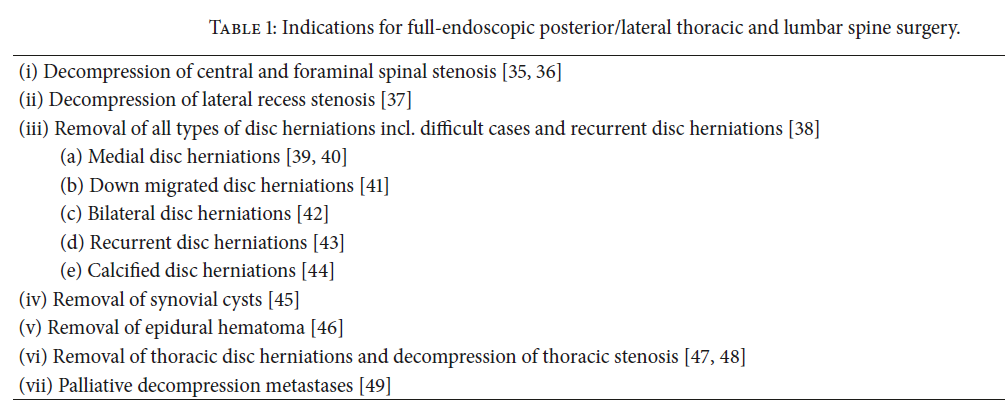
Table 1
Indications for full-endoscopic posterior/lateral thoracic and lumbar spine surgery.
(i) Decompression of central and foraminal spinal stenosis
(ii) Decompression of lateral recess stenosis
(iii) Removal of all types of disc herniations incl. difficult cases and recurrent disc herniations
(a) Medial disc herniations
??(b) Down migrated disc herniations
??(c) Bilateral disc herniations
??(d) Recurrent disc herniations
??(e) Calcified disc herniations
(iv) Removal of synovial cysts
(v) Removal of epidural hematoma
(vi) Removal of thoracic disc herniations and decompression of thoracic stenosis
(vii) Palliative decompression metastases
表1
全內窺鏡下胸腰椎后/側入路手術的適應癥。
(i) 中央和椎間孔椎管狹窄減壓
(ii) 側隱窩狹窄減壓
(iii) 切除所有類型的椎間盤突出,包括復雜病例和復發性椎間盤突出癥
??(a) 內側椎間盤突出癥
??(b) 下移的椎間盤突出癥
??(c) 雙側椎間盤突出癥
??(d) 復發性椎間盤突出癥
??(e) 鈣化椎間盤突出癥
(iv) 切除滑膜囊腫
(v) 清除硬膜外血腫
(vi) 胸椎間盤突出癥摘除和胸椎管狹窄癥減壓
(vii) 轉移瘤的姑息性減壓
Summary
總 結
The first attempts of endoscopic lumbar spine surgery date back to the early 1980s. However, only in the last decade this technology has become a disruptive technology with the potential to replace microsurgical techniques especially for degenerative lumbar spine disorders.
The strong input and high acceptance among Asian spine surgeons have triggered a very dynamic clinical and scientific workflow on this topic. A PubMed search for scientific publications on endoscopic lumbar spine surgery shows that more than 80% of the publications have their origin in Asian countries. It has been shown that even though there is a certain learning curve for endoscopic techniques, once the surgeon is familiar with it, he can achieve comparable and sometimes better clinical results as conventional microsurgical operations.
The complication rates of experienced and well-trained surgeons are low.
The iatrogenic collateral damage of the different approaches to the lumbar spine is diminished and most of the procedures can be performed in an outpatient setting.
腰椎內窺鏡手術的首次嘗試可以追溯到20世紀80年代初。但直到最近十年,這項技術才成為一項顛覆性的技術,才有可能取代顯微外科技術,特別是對退行性腰椎疾病。
亞洲脊柱外科醫生的激情投入和高度接受,引發了關于這一主題的非常活躍的臨床和科學工作潮。在PubMed上搜索有關腰椎內窺鏡手術的科學出版物,發現80%以上的出版物都來自于亞洲國家。事實證明,盡管內窺鏡技術有一定的學習曲線,但一旦外科醫生熟悉了它,他就可以取得與傳統顯微外科手術相當的臨床效果,有時甚至更好。
經驗豐富、訓練有素的外科醫生手術的并發癥率很低。
不同入路下進行的腰椎手術醫源性附帶損傷減少,且大多數手術可以在門診環境進行。
The Future
未 來
Today we are in a stage which I would call “microendoscopic blending” where the dynamics of technical improvement of endoscopic techniques suggests that the overlap of indications for this technology vs. microsurgery will step by step convert into a scenario where endoscopic techniques replace microsurgical techniques. The great challenge is the learning curve and the training of young surgeons. The acceptance of this technology is high among young surgeons but it is the task and duty of the protagonists of the older generation, the hospitals, and the scientific societies to develop learning- and training-concepts to shorten learning curves and to improve technical quality and clinical outcomes.
今天,我們正處于一個我稱之為“顯微內窺鏡融合”的階段,內窺鏡技術的發展動態表明,這種技術與顯微外科手術的適應癥重疊將逐步轉變為內窺鏡技術取代顯微外科技術的局面。最大的挑戰是學習曲線和對年輕外科醫生的培訓。年輕的外科醫生對這項技術的接受程度很高,所以老一代的外科醫生、醫院和科學學會的任務和職責是發展學習和培訓概念,以縮短學習曲線,提高技術質量和臨床療效。